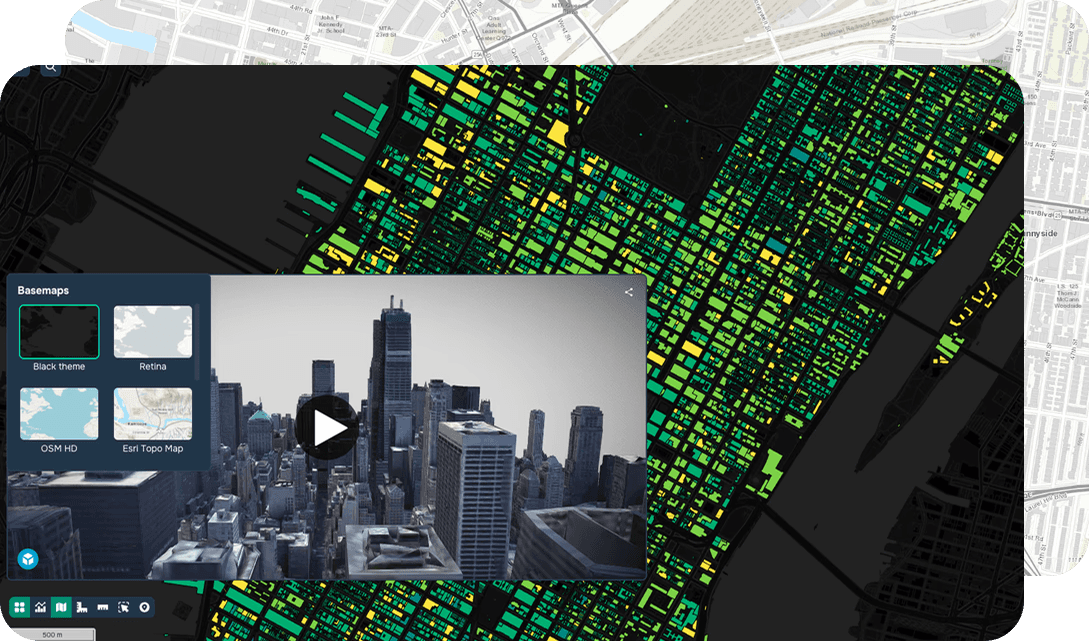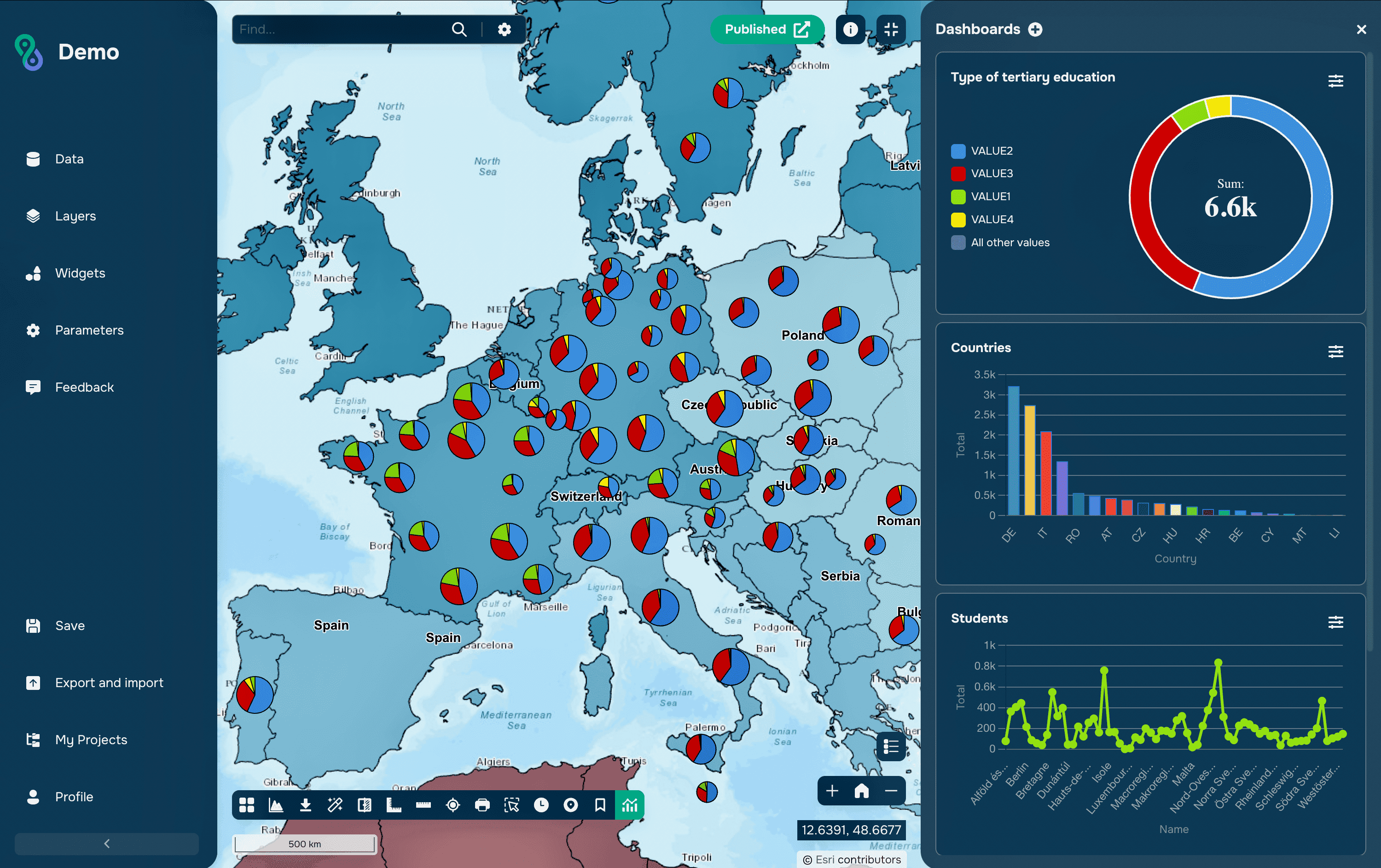
La agricultura moderna se asemeja cada vez más a trabajar con datos que al trabajo tradicional en el campo.
Los sistemas de información geográfica, o simplemente SIG, se están convirtiendo gradualmente en una de las principales herramientas de la industria agrícola. Y no se trata solo de mapas bonitos. Estos sistemas pueden analizar enormes cantidades de datos espaciales: desde las condiciones del suelo y los niveles de humedad hasta la dinámica del crecimiento de las plantas. Todo esto se recopila de diversas fuentes: satélites, rastreadores GPS en la maquinaria, sensores en el campo y, a veces, incluso drones.
Funciones principales de los SIG en la agricultura
Una de las funciones principales de los SIG en la agricultura es la cartografía de campos. Mediante imágenes satelitales, es posible determinar los límites de las parcelas agrícolas, ver qué cultivos se cultivan allí y evaluar el estado de las plantas. Estos mapas ayudan a seguir el desarrollo de los cultivos e identificar rápidamente áreas problemáticas.
Los SIG también se utilizan activamente para monitorear la salud de las plantas. Por ejemplo, los datos satelitales pueden utilizarse para calcular índices de vegetación especiales que indican qué tan bien se está desarrollando el cultivo. Si aparece en el mapa un área con valores bajos del índice, puede indicar falta de agua, nutrientes o el inicio de enfermedades en las plantas.
Otra tarea importante es la previsión del rendimiento de los cultivos y la gestión de recursos. Al analizar datos sobre el suelo, el clima y la salud de las plantas, los agricultores pueden planificar mejor la aplicación de fertilizantes, el riego y otras actividades agrícolas. Este enfoque ayuda a usar los recursos de manera más eficiente.
Ejemplos del uso de SIG en la agricultura en diferentes países
Más allá de las explotaciones individuales y las plataformas comerciales, los sistemas de información geográfica son utilizados activamente por gobiernos y organizaciones internacionales para monitorear la agricultura a nivel nacional y global. Estos sistemas ayudan a analizar grandes áreas, prever rendimientos de cultivos y tomar decisiones sobre seguridad alimentaria.
En la Unión Europea, los datos satelitales se utilizan para monitorear los subsidios agrícolas en el marco de la Política Agrícola Común (PAC). Los satélites Copernicus Sentinel pueden rastrear el uso de la tierra agrícola, verificar el cumplimiento de los requisitos de los programas de apoyo y monitorear la salud de los cultivos.

Sitio web de la Unión Europea para el desarrollo agrícola
En Brasil, el gobierno utiliza datos satelitales y SIG para analizar áreas agrícolas y cambios en el uso de la tierra. El Instituto Nacional de Investigaciones Espaciales (INPE) analiza regularmente imágenes satelitales para evaluar la producción agrícola y monitorear el medio ambiente.
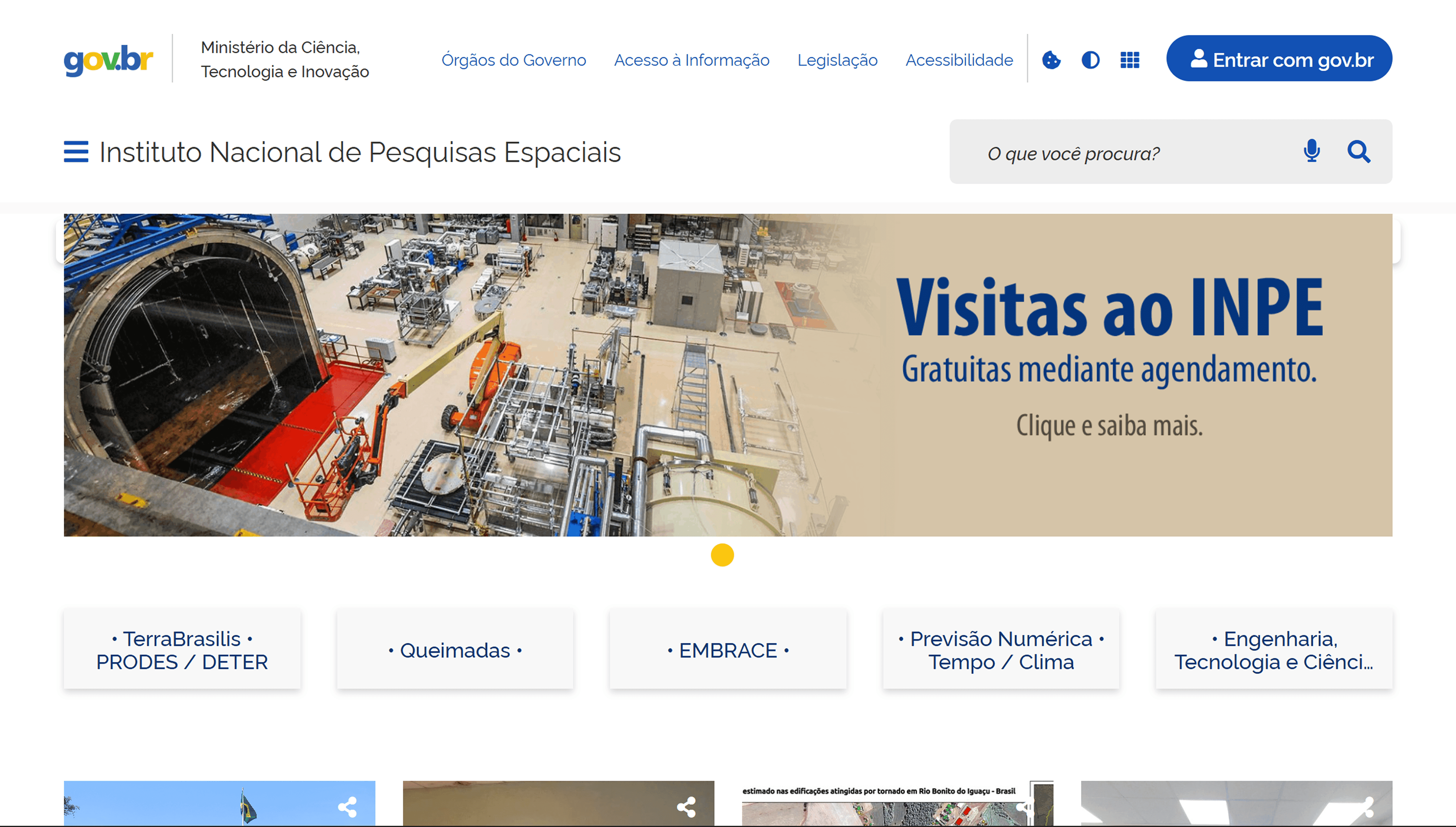
Sitio web de desarrollo agrícola de Brasil
En Estados Unidos, el Departamento de Agricultura (USDA) utiliza SIG para monitorear los cultivos agrícolas. Por ejemplo, el sistema CropScape permite crear mapas de distribución de cultivos en todo el país y analizar cambios en el uso de la tierra.
Proyectos internacionales adicionales de monitoreo agrícola
NASA Harvest es un programa internacional que utiliza datos satelitales para el monitoreo global de cultivos y evaluaciones de seguridad alimentaria. El proyecto combina datos satelitales, modelos analíticos y sistemas de información geográfica para prever rendimientos y analizar riesgos agrícolas.
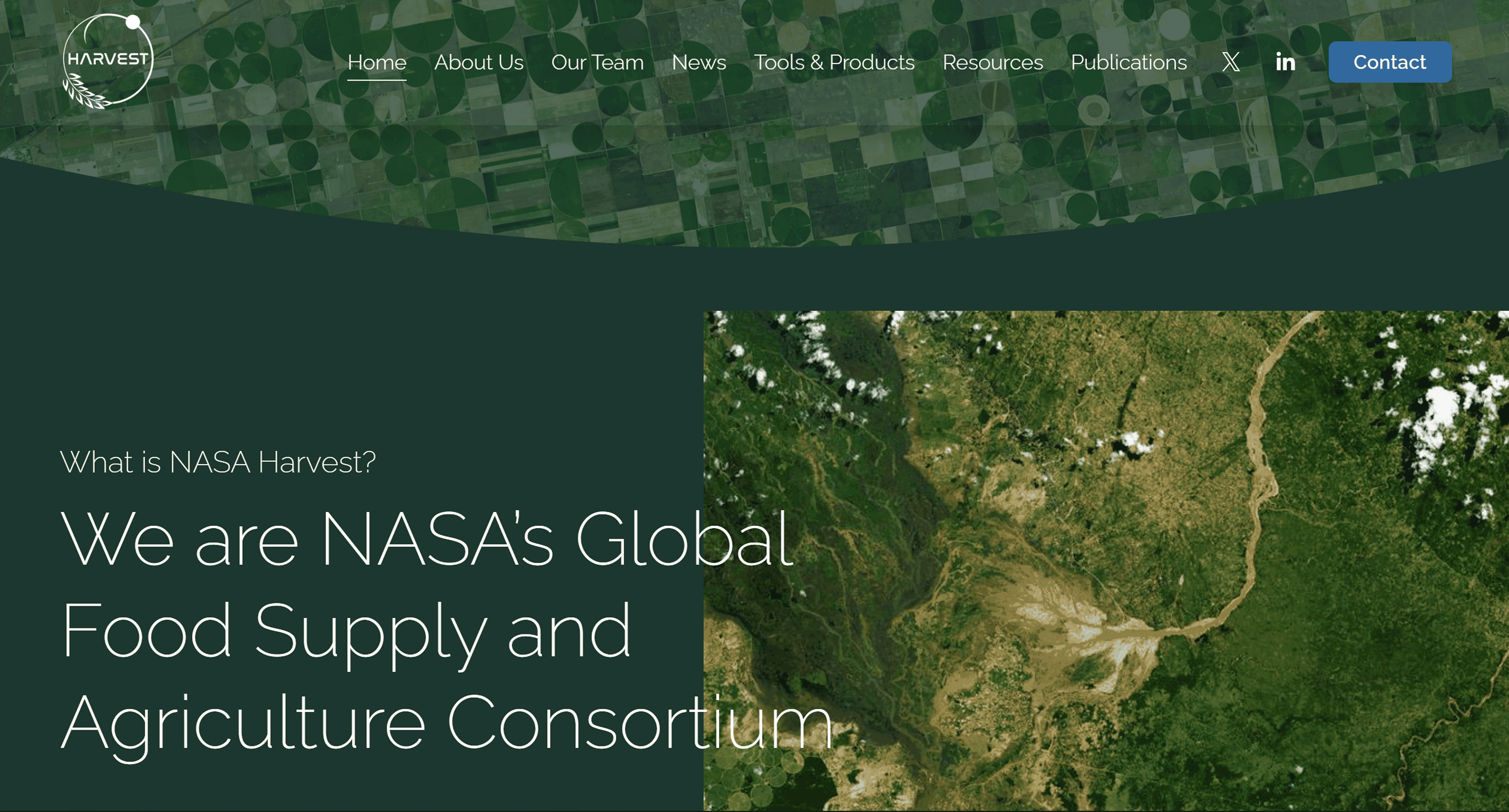
Sitio web del programa NASA Harvest
Copernicus Agriculture Monitoring (UE) es un sistema de monitoreo agrícola basado en satélites Sentinel. Analiza las condiciones de los cultivos, rastrea cambios en el uso de la tierra y apoya la gestión de políticas agrícolas en los países de la UE.
Digital Earth Africa es un programa que proporciona datos satelitales abiertos y herramientas analíticas para monitorear el uso de la tierra y la agricultura en países africanos. La plataforma ayuda a gobiernos e investigadores a seguir las condiciones de las tierras agrícolas y los cambios ambientales.
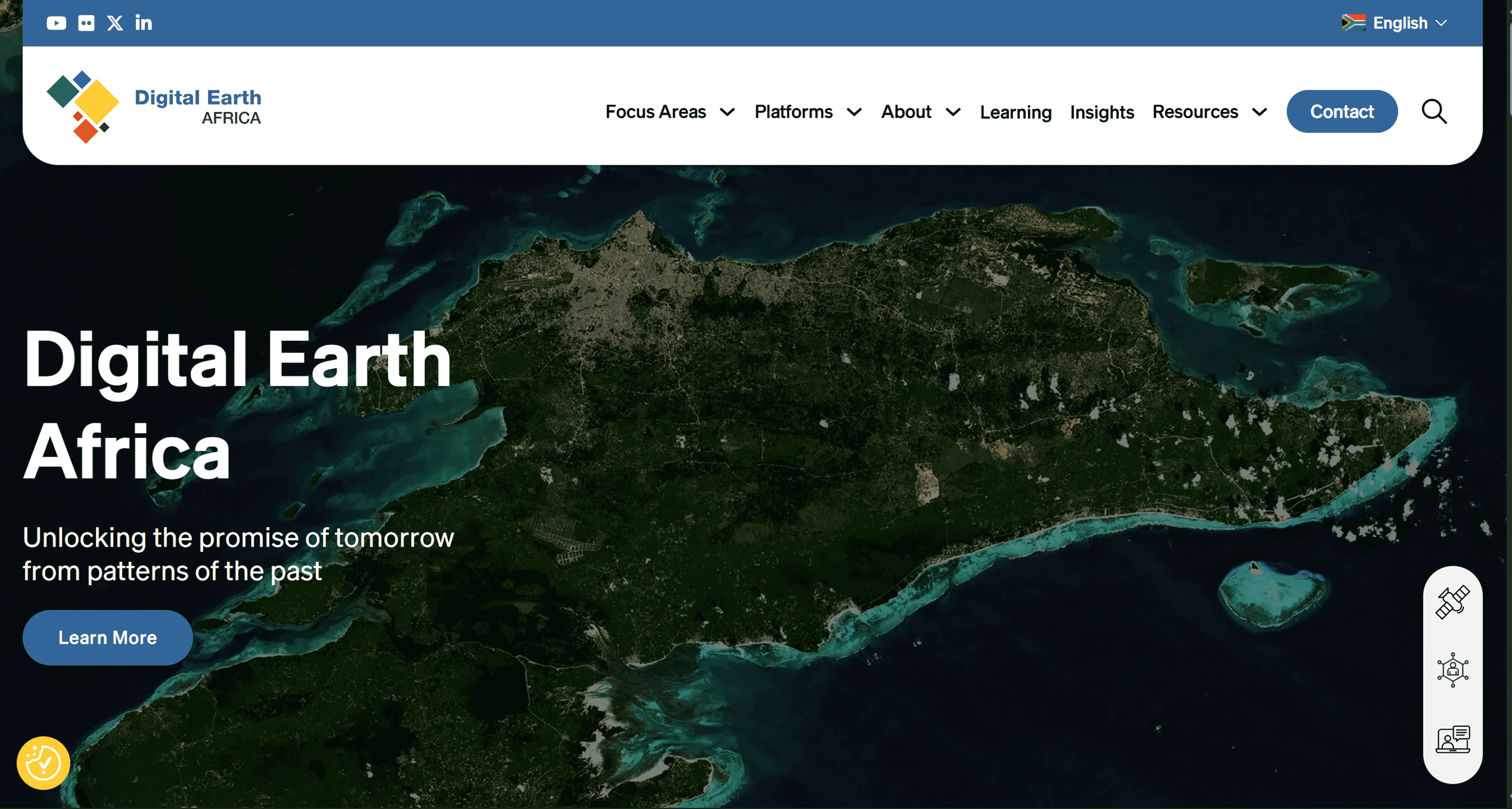
Sitio web del programa Digital Earth Africa
Perspectivas para el desarrollo de los SIG en la agricultura
El papel de los SIG en la agricultura seguirá creciendo con el avance de las tecnologías de teledetección, inteligencia artificial y computación en la nube.
La integración de los SIG con drones y sistemas de sensores proporciona información detallada sobre la salud de las plantas, la humedad del suelo y el desarrollo de los cultivos. Cuando se combina con modelos analíticos, estos datos ayudan a predecir rendimientos y optimizar la gestión de recursos agrícolas.
Así, los SIG están transformando gradualmente la agricultura en una industria de alta tecnología basada en el análisis de datos.
Preguntas frecuentes
¿Cuáles son los beneficios prácticos de usar SIG para los agricultores?
Los SIG permiten a los agricultores ver las condiciones del campo en un mapa, identificar más rápidamente áreas problemáticas y tomar decisiones sobre riego, fertilización o protección de cultivos.
¿Qué datos satelitales se utilizan en la agricultura?
Los datos de las misiones Landsat y Sentinel son los más utilizados, ya que permiten calcular índices de vegetación y monitorear el desarrollo de los cultivos.
¿Se pueden usar los SIG para prever el rendimiento de los cultivos?
Sí, al analizar datos históricos sobre el clima, las condiciones del suelo y el desarrollo de los cultivos, los SIG ayudan a estimar rendimientos potenciales y planificar operaciones agrícolas.
Conclusiones clave
Los SIG permiten combinar varios tipos de datos—imágenes satelitales, observaciones meteorológicas y mediciones de campo—en un único sistema de análisis.
El monitoreo satelital ayuda a seguir las condiciones de los cultivos en grandes áreas e identificar cambios a lo largo del tiempo.
El desarrollo de tecnologías digitales convierte el análisis geoespacial en una herramienta cada vez más importante para el desarrollo agrícola sostenible.